


What moved the wire
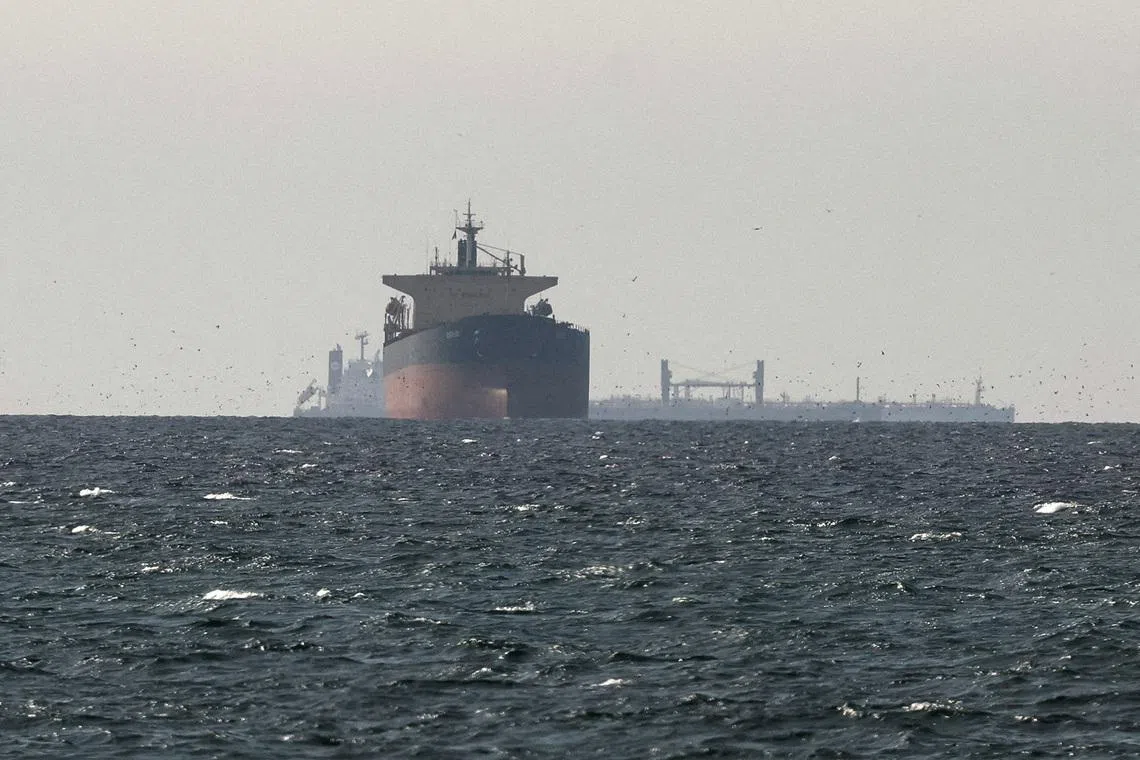
The crude market endured a volatile session pulled in opposite directions by supply recovery and fresh geopolitical flare-ups. The dominant force during the regular session was the reopening of the Strait of Hormuz: according to OilPrice.com, Brent erased its Iran war premium as Hormuz flows showed signs of recovery, a dynamic echoed by Trading Economics, which noted crude hitting a 17-week low on surging Hormuz shipments. Money Times reported that oil closed down with increased supply and that Brent had returned to pre-war levels — underscoring how thoroughly the conflict risk premium had been priced out before the close.
Then after hours the mood shifted sharply. According to MarketWatch, oil prices climbed in after-hours trading after the U.S. confirmed a retaliatory strike on Iran, and Dow Jones reported prices rising back above $70 on the news. The competing forces — a physical market adjusting to normalising Strait traffic and a geopolitical headline reigniting risk — left the contract oscillating either side of the $70 handle, a level that proved magnetic throughout the session. Separately, Dow Jones flagged that U.S. natural gas futures slipped as the July contract expired before extending gains later on expectations of coming hot weather.
Iraq added a structural subplot. The country's Oil Ministry issued a series of statements confirming Baghdad supports a reassessment of OPEC production quotas to reflect member states' conditions and its own economic and security circumstances, while explicitly clarifying that the Prime Minister did not discuss leaving OPEC. The Ministry also said OPEC has begun gradually restoring Iraq's pre-war production allocations. OilPrice.com reported that Baghdad is hosting EU energy talks after Iraq floated an OPEC exit — a framing Baghdad moved quickly to soften, though the underlying push for quota relief appeared genuine and well-supported within the group.
Asset reaction
Crude oil (WTI / Brent) experienced a split session: daytime trade saw both benchmarks slide toward and briefly below the $70 level as Hormuz re-supply flows gathered pace and the broader Iran war premium unwound. After-hours, the U.S. retaliatory strike on Iran pulled prices back above $70, leaving direction genuinely uncertain into the Asian open. Barclays cut its oil price estimates as Hormuz flows returned, adding a fundamental anchor to the bearish case even as the geopolitical tape complicated it.
U.S. natural gas tracked its own calendar dynamic: front-month July futures slipped as the contract rolled to expiry before reversing course, with Dow Jones citing expectations of incoming hot weather as the driver of the extension higher. The two moves in the same session illustrated how sensitive the prompt contract can be around expiry.
TTF European gas attracted attention in the context of the Hormuz reopening, with Hellenic Shipping News noting both TTF and Brent face a shifting risk/opportunity balance as the strait returns to fuller operation — a relevant consideration for LNG re-routing assumptions that had priced in prolonged closure.
Headlines that drove the session
- [MarketWatch] Oil price rise in after-hours trade as U.S. confirms retaliatory strike on Iran
- [Dow Jones] Oil Prices Rise Above $70 on Iran Strike — Market Talk
- [OilPrice.com] Brent Erases Iran War Premium as Hormuz Flows Show Signs of Recovery
- [Trading Economics] Crude Oil Hits 17-week Low
- [Dow Jones] Barclays Cuts Oil Price Estimates as Hormuz Flows Return — Market Talk
- [Newswires] IRAQ'S OIL MINISTRY: BAGHDAD SUPPORTS REASSESSING OPEC PRODUCTION QUOTAS TO REFLECT MEMBER STATES' CONDITIONS AND IRAQ'S ECONOMIC AND SECURITY CIRCUMSTANCES
- [Newswires] IRAQ'S OIL MINISTRY: PRIME MINISTER DID NOT DISCUSS LEAVING OPEC
- [Newswires] IRAQ'S OIL MINISTRY SAYS OPEC HAS BEGUN GRADUALLY RESTORING IRAQ'S PRE-WAR PRODUCTION ALLOCATIONS WHICH WILL STRENGTHEN PRODUCTION CAPACITY AND SUPPORT OIL SECTOR RECOVERY
- [NY Post] US crude oil falls below $70 a barrel despite Iranian attack on cargo ship
- [Briefing] Oil prices return to prewar levels after US-Iran peace agreement
- [Dow Jones] U.S. Natural Gas Futures Extend Gains on Coming Hot Weather — Market Talk
- [OilPrice.com] Baghdad Hosting EU Energy Talks After Iraq Floats OPEC Exit
Trade the follow-through
The $70 level in WTI is serving as a genuine fulcrum: physical supply is exerting downward pressure as Hormuz normalises and Barclays trims estimates, while the after-hours strike headline demonstrates that geopolitical risk has not left the market entirely. Iraq's quota campaign adds a medium-term layer — any OPEC meeting outcome that concedes Baghdad's demands could alter the supply trajectory materially. Traders will need real-time access to wire flow as these threads develop simultaneously. Stay ahead of the tape with the Trading News Terminal.